Metro Vision Eye Exams
Our team of Detroit-area optometrists, opticians, and frame stylists have combined thorough medical care with one of the largest selections of designer eyewear in Michigan.
Whether you’re preparing for your first pair of glasses, looking for advanced lenses to help at work, or choosing your next Gucci or Ray-Ban frames, Metro Vision is here to protect your vision and enhance your lifestyle.
What to Expect in Your Eye Exam
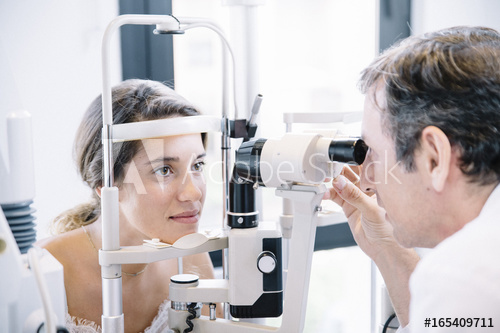
When you schedule an eye exam with Metro Vision, you can expect a detailed process tailored to your needs.
Case History: We begin by asking about your vision and health history, medications, family background, and current symptoms. This information helps us understand not only your eyes but your overall health.
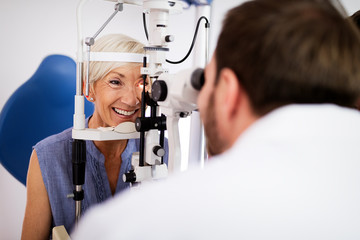
Visual System Analysis: Using advanced medical instruments, we evaluate both the internal and external parts of your eyes. We examine the retina, optic nerve, blood vessels, muscles, pupils, cornea, lens, iris, conjunctiva, eyelids, and eyelashes. This analysis helps detect glaucoma, cataracts, corneal diseases, and even systemic health concerns such as diabetes, high blood pressure, and neurological disorders.
Refractive Evaluation: We perform tests to measure your ability to see clearly and determine if prescription lenses are required.
Binocular Evaluation: This checks how well your eyes work together at both near and far distances, ensuring comfort for activities like reading, driving, and sports.
Diagnosis and Treatment Plan: Once all tests are complete, we provide a diagnosis and create a personalized treatment plan. This may include corrective eyewear, vision therapy, or medical follow-up.
A Brief History of Eye Exams
Eye exams have a long and fascinating history.
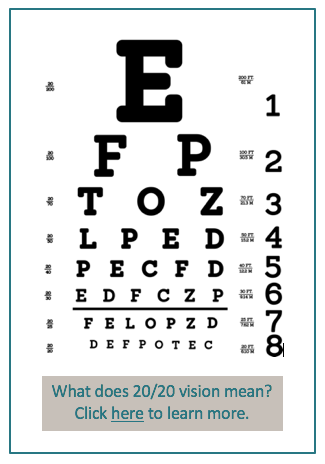
In ancient times, vision checks were as simple as asking if someone could see an object. The invention of spectacles in the 13th century brought new attention to systematic testing. By the mid-19th century, the Snellen chart standardized the way visual acuity was measured. Soon after, the ophthalmoscope was developed, allowing doctors to examine the inside of the eye for the first time.
In the 20th century, eye exams grew increasingly sophisticated. Tonometry was introduced to measure intraocular pressure for glaucoma detection. Refraction tests became more precise, and retinal photography gave doctors a clearer view of the back of the eye. Today, advanced imaging systems can measure corneal curvature, retinal thickness, and even map visual fields in digital detail.
Specialized eye exams also became common. Pilots require vision exams that meet FAA standards. Athletes began receiving sports vision testing to measure depth perception and reaction time. Military and law enforcement officers undergo exams to ensure safety and precision. Industrial workers need exams for protective eyewear to guard against hazards. Each specialty underscores the importance of tailoring exams to lifestyle and occupation.
Lifestyle and Eye Health.
Your lifestyle plays an important role in your vision care. When you meet with a Metro Vision doctor, it helps to share:
• Your current medications (including over-the-counter drugs).
• Any vision difficulties such as blurring, dry eyes, double vision, eye strain, or trouble seeing at night.
• Chronic health conditions like diabetes, hypertension, or past surgeries.
• Your job and work environment—for example, extended computer use or bright overhead lighting.
• Your leisure activities, such as sports, hobbies, or outdoor pursuits.
These details may seem small, but they allow your eye doctor to recommend the most effective lenses, coatings, or treatments.
Designer Eyewear and Specialty Lenses
After your exam, our frame stylists will help you find eyewear that fits your prescription, lifestyle, and fashion sense. Metro Vision carries one of the largest inventories of designer frames in the Detroit area, including Gucci, Ray-Ban, Giorgio Armani, Wiley X, Randolph, and more.
Specialty lenses are also available:
• Blue-light filtering computer lenses.
• Polarized prescription sunglasses for glare reduction.
• Safety eyewear for industrial and law enforcement use.
• Ultra-thin high-index lenses for strong prescriptions.
• Sports lenses with impact resistance and enhanced contrast.
Frequently Asked Questions
It’s very common for patients to come to their eye exam and not understand how their lifestyle can affect their eye health. The more eye doctors know about their patients, the better they can prescribe the right eyewear and treat visual problems.
How often should I schedule an eye exam?
- Most adults should have an eye exam once every year. Children, seniors, and patients with conditions like diabetes, hypertension, or a family history of eye disease may need more frequent exams.
Do children need eye exams before starting school?
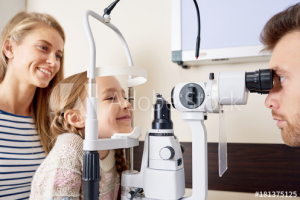
- Yes. Pediatric eye exams are critical because vision problems can interfere with reading, learning, and classroom performance.
What does 20/20 vision mean?
- 20/20 vision means you can see clearly at 20 feet what a person with normal vision should see at that distance.
Does 20/20 vision mean my eyes are perfectly healthy?
- No. You can have 20/20 vision and still have eye diseases like glaucoma, cataracts, or retinal issues that need monitoring.
Can an eye exam detect diabetes or hypertension?
- Yes. The blood vessels inside the eye often reveal systemic health problems, including diabetes, high blood pressure, and even early neurological conditions.
What’s the difference between an optometrist and an optician?
- An optometrist performs the exam, diagnoses problems, and prescribes lenses. An optician fits, adjusts, and styles your glasses or contact lenses based on the prescription.
Are contact lens exams different from regular eye exams?
- Yes. Contact lens exams include additional measurements, such as corneal curvature, to ensure proper fit and eye health.
Do I still need an exam if my vision hasn’t changed?
- Yes. Eye diseases can develop without obvious symptoms, so routine exams help catch problems early.
What is a dilated eye exam?
- Eye drops enlarge your pupils so the doctor can thoroughly examine your retina, optic nerve, and blood vessels.
Why are exams especially important for seniors?
- Seniors are at greater risk of cataracts, glaucoma, macular degeneration, and other age-related vision changes.
Contact Metro Vision’s office for your next thorough eye examination.
Metro Vision Office Hours:
MONDAY: closed
TUESDAY: 10 am – 8 pm
WEDNESDAY: 10 am – 3 pm
THURSDAY: 10 am – 8 pm
FRIDAY: 10 am – 6 pm
SATURDAY: open every other Saturday
(please call ahead)
SUNDAY: closed
Call, Email or Fax
Phone: (586) 286-7200
Fax: (586) 286-4144
Email: metrovision@sbcglobal.net